

Custom iPSC Differentiation
Generate functional, human-relevant cell types from your iPSC lines—fast, reproducibly, and without months of in-house protocol development.

Generate the human cell models
your program needs.
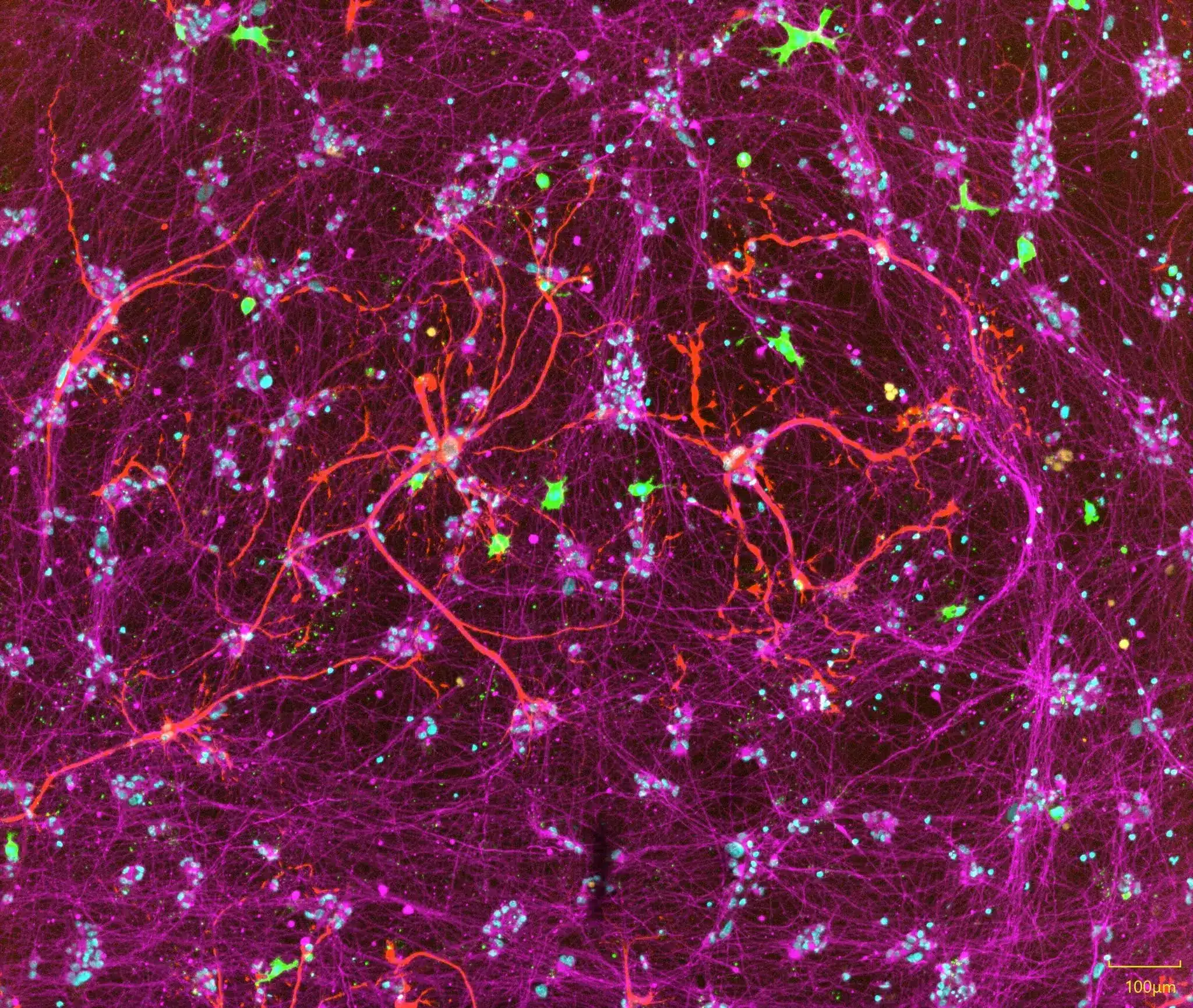
As discovery programs advance, many teams find that their existing cell models no longer reflect the biology they need—while fragile iPSC protocols, long timelines, and limited in-house expertise slow progress and increase risk.
Ricoh Biosciences provides scalable iPSC differentiation services to generate functional, human-based cell types from your iPSC lines or sourced patient-derived lines. We deliver large-scale, highly consistent, assay-ready cells with rigorous characterization.
Schedule Your Project Design ConsultationiPSC Differentiation Project Deliverables
Every custom iPSC differentiation project is tailored to your experimental goals and downstream applications. Typical deliverables include:
Our Custom iPSC Differentiation Workflow
Our structured workflow ensures each project is aligned with specific discovery, screening, or translational objectives.
Project Design Consultation
Every project begins with a complimentary project design assessment. Our scientists collaborate with your team to define:
- Optimal iPSC line(s) for your application
- Desired iPSC-derived cell type(s)
- Production scale
- Quality control and characterization requirements
If you do not yet have an iPSC line, we can source appropriate lines from leading iPSC banks or coordinate gene editing—allowing you to move from concept to functional, assay-ready cells through a single partner.
iPSC Differentiation
Our transcription factor-based platform enables reproducible directed differentiation without leaving a genetic footprint. Previously generated lineages include:
- Excitatory, dopaminergic, cholinergic, GABAergic, motor and sensory neurons
- Astrocytes and microglia
- Smooth muscle and skeletal muscle
- Vascular endothelial cells
Characterization & Quality Control
Before shipment, cells undergo quality control to confirm:
- Lineage-specific marker expression
- Purity and absence of contamination
- High post-thaw viability
- Customer-defined QC criteria aligned to your assay needs
Additional in-house functional assays include multielectrode array (MEA), calcium flux assays, neurite outgrowth, high-content analysis and more.
End-to-End Scientific Support
Our team remains engaged from feasibility through assay implementation. We provide guidance on experimental design, post-thaw handling, assay integration, and troubleshooting to ensure optimal performance in your system.
iPSC-Derived Cell Types We Support
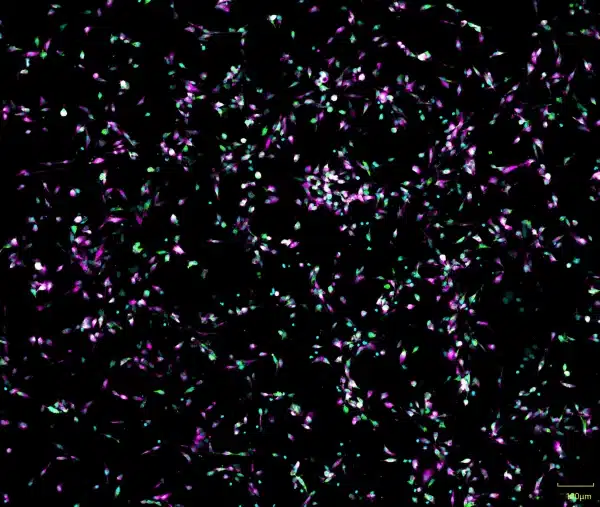
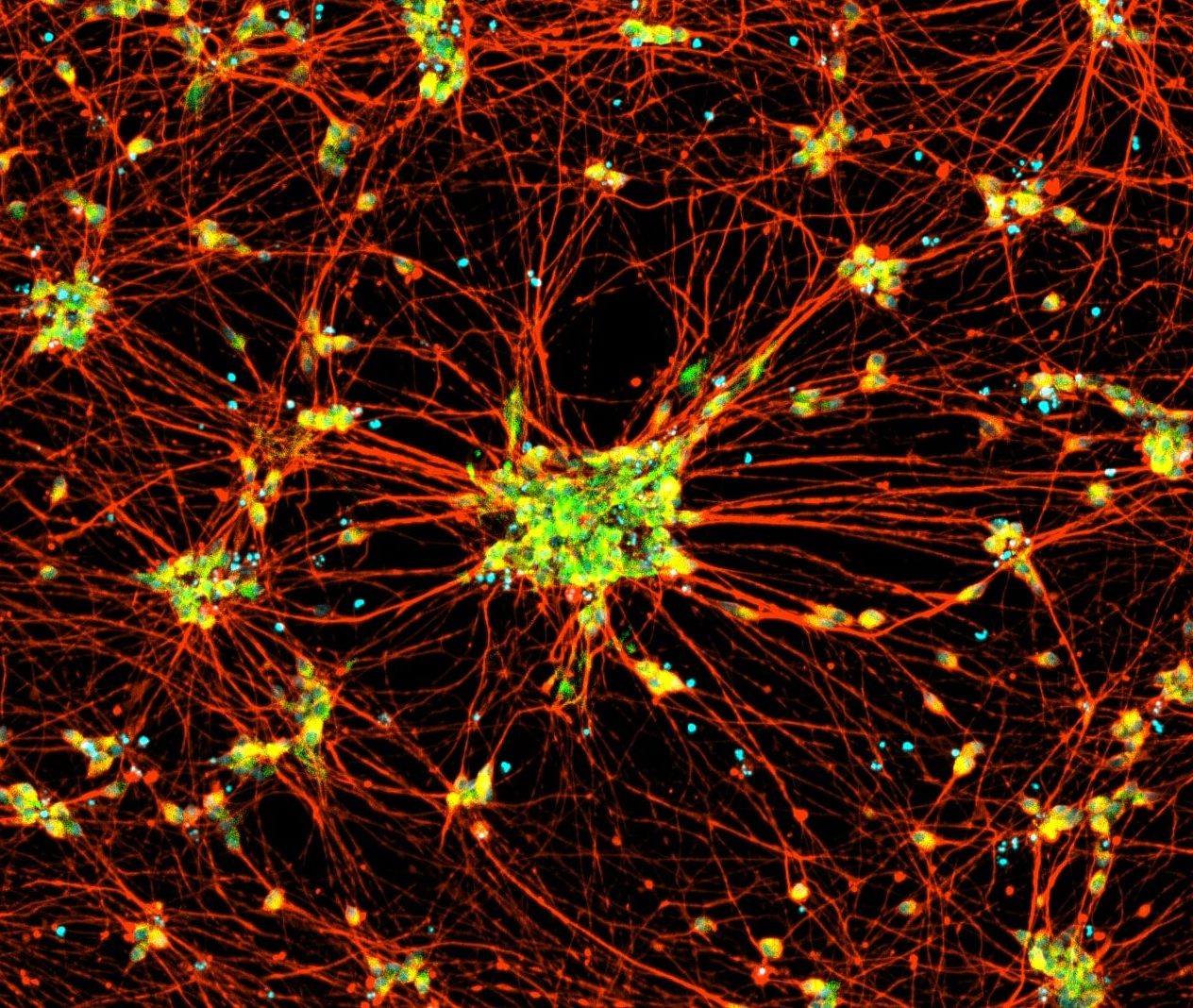
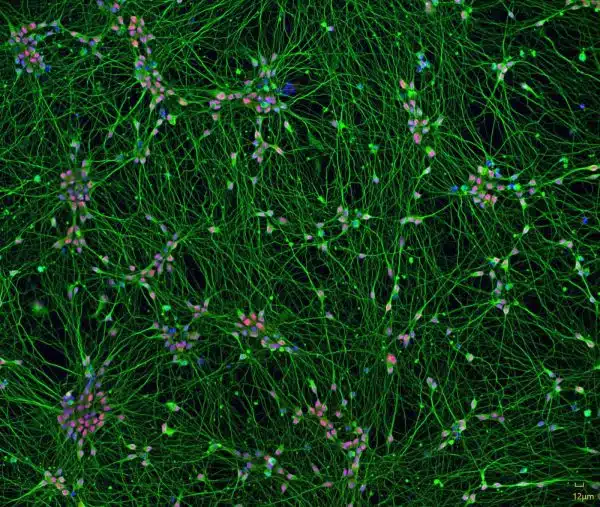
Explore our iPSC-derived cell types available for custom differentiation and assay-ready delivery.





Advantages of Custom iPSC Differentiation Services
At the core of our custom iPSC differentiation services is Quick-Tissue™ technology, a proprietary platform engineered for speed, reproducibility, and functional performance. Using a transcription factor-based directed differentiation approach, Quick-Tissue™ technology produces cells in as few as 7 days—significantly faster than small molecule protocols—without leaving a genetic footprint in your cells.

Access to Patient-Derived iPSC Lines
Access genetically defined, patient-derived iPSC lines that model clinically relevant human biology and enable translationally meaningful results.

Assay-Ready Cells
Functionally validated cells with rigorous quality control and supporting documentation, ready for immediate integration into drug development workflows.

Validated Batch-to-Batch Consistency
Produced using standardized, ISO-9001 certified processes to ensure reproducible performance across lots, experiments, and programs.

Scalable Manufacturing
Robust manufacturing workflows support production from pilot studies to large-scale production, enabling high-throughput screening.
Applications & Use Cases
Custom iPSC differentiation supports discovery, screening and preclinical programs that require human-relevant or disease-relevant cell models at scale without the time or resources to develop protocols internally.
Scalable production of highly consistent, assay-ready human cells to power compound screening and target validation campaigns.
Clinically relevant cell types generated from multiple patient iPSC lines to capture disease biology and evaluate therapeutic response.
Human cell models that more accurately reflect in vivo biology, enabling stronger translational confidence.
Defined, functional cell types for pathway interrogation, phenotypic profiling, and mechanistic insight.
Human-relevant cells to enhance early safety evaluation and reduce downstream development risk.
Why Teams Choose Ricoh Biosciences
Start Your Differentiation Project-
Reduced Batch-to-Batch Variability:Standardized workflows support reproducible differentiation across runs.
-
Lower Scale-Up & Transfer Risk:Protocols are designed for scalability and downstream integration.
-
Fit-for-Purpose Characterization:Cells are validated against program-specific goals and functional criteria.
-
No Internal Expertise Required:Eliminate the need to build and maintain specialized differentiation workflows.
-
Seamless Screening Integration:Incorporate iPSC-derived models into screening workflows with predictable timelines and reliable supply.
Ready to Generate the Cell Model Your Program Needs?
Work directly with our scientific team to evaluate feasibility, timelines, scale, and validation strategies for your program. We help translate high-level concepts into practical, assay-ready cell models your team can deploy quickly.

Online Marketplaces
Our iPSC differentiation services are available through ScienceExchange and Scientist.com for efficient, compliant procurement with existing vendor frameworks.
"*" indicates required fields
FAQ
Custom iPSC Differentiation FAQs
Find quick answers to common questions about custom iPSC differentiation services—or contact our team for personalized support.
What types of iPSC lines can be used for custom differentiation?
We can work with customer-provided iPSC lines or help source appropriate lines for your program, including patient-derived disease lines. Line suitability and success criteria are defined during the project design phase.
What cell types can be generated through custom differentiation?
Our services support a wide range of CNS cell types and other specialized lineages. Projects are scoped around the specific cell type, maturity, and functional requirements of your research.
How long does custom iPSC differentiation take?
Timelines vary by lineage and complexity. Certain neuronal populations can be generated in as little as one week, while more complex models may require longer. Final timelines are defined during the project design consultation.
How are custom iPSC-derived cells validated?
All projects include quality control to confirm lineage-specific marker expression, purity, and viability. Additional functional assays can be incorporated to match your program’s success criteria.
Can you scale production for larger studies or screening?
Yes. Our workflows support scalable production from pilot batches to large-scale runs while maintaining consistency and quality across batches.
What support is provided during and after the project?
Our scientists work directly with your team from feasibility through delivery, providing troubleshooting, data interpretation, and guidance for downstream experiments or future batches.
Contact Us
Have a question about our products, services, or custom projects? Our team is here to help—reach out and we’ll get back to you as soon as possible.
Subscribe
By signing up you are agreeing to our Privacy Policy