

Watch On-Demand |
What You’ll Learn
- ○An overview of Ricoh Biosciences’ iPSC-derived platform and its applications in neuroscience research
- ○The principles of multielectrode array (MEA) electrophysiology and calcium flux assays for measuring neuronal network activity and function
- ○How iPSC-derived neurons and glial cells can be incorporated into functional assays to better model human neurobiology and disease
- ○Examples of how these assay platforms are being used to investigate disease mechanisms, characterize compound activity, and support therapeutic development in neurodegenerative and neurological disorders
Webinar Details
Recording Info
Format
Resources
Webinar Q&A Report
Didn’t catch the live Q&A, or want to revisit the answers? Download the full report of audience questions and our responses.
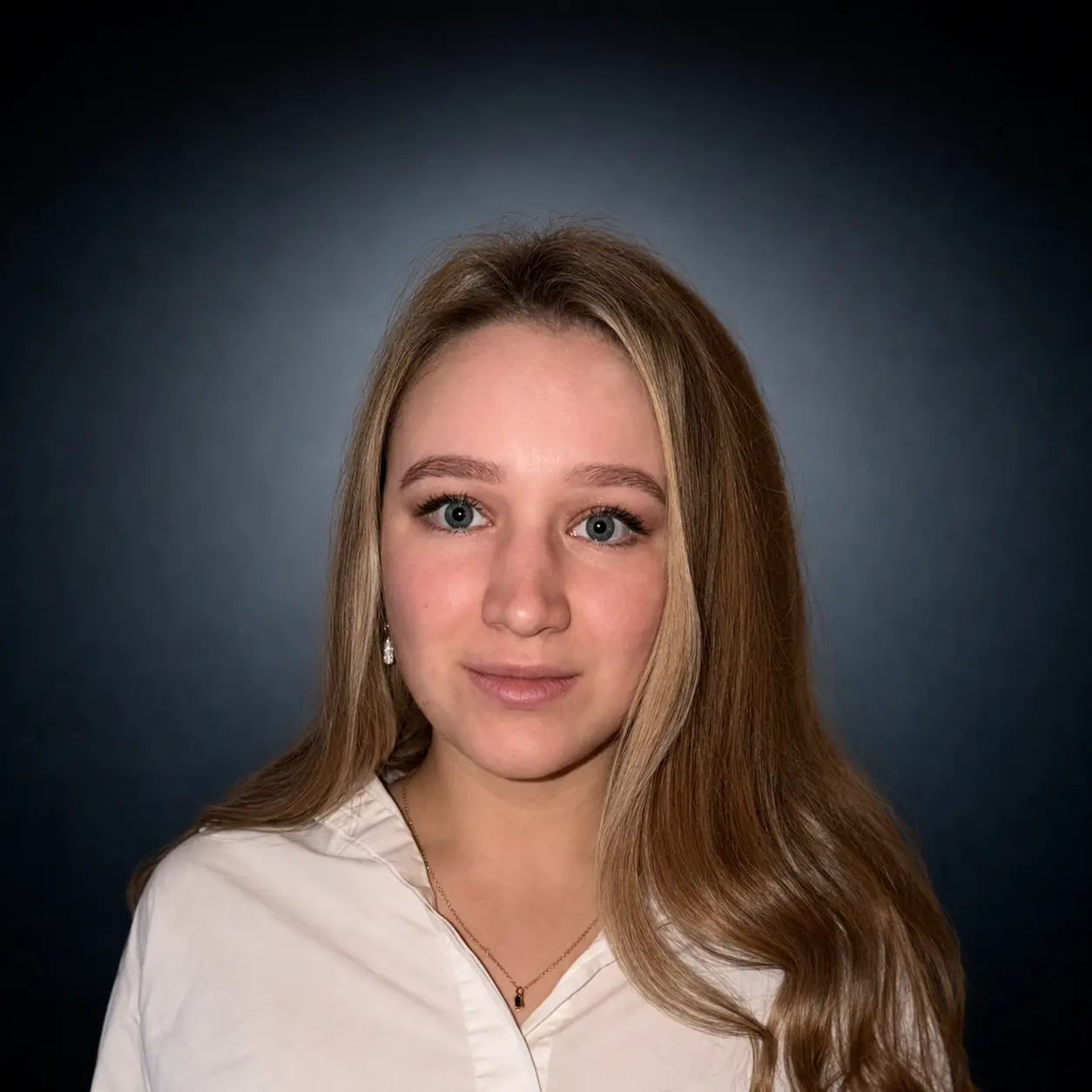
Featured Speaker
Scientist, Research & Development
Daria Kurganova is an R&D Scientist at Ricoh Biosciences, where she leads cell production initiatives and develops functional assay services to support neuroscience research and drug discovery. She earned her B.S. in Molecular and Cell Biology from Johns Hopkins University and specializes in the development and application of human iPSC-derived cellular models, including neurons and glial cells. Her expertise spans cell manufacturing, assay development, multielectrode array (MEA) electrophysiology, calcium flux imaging, and translational in vitro disease modeling. Working closely with academic and industry partners, she helps researchers implement physiologically relevant human cell models to accelerate therapeutic discovery for neurological and neurodegenerative diseases.